Building Scalable React Native Apps: Architecture That Lasts
Learn proven architectural patterns for building maintainable React Native applications that can grow from MVP to enterprise scale without major refactors.
Why Architecture Matters in React Native
Building a React Native app is easy. Building one that scales gracefully over years of feature additions, developer changes, and platform updates is significantly harder. Poor architectural decisions made early can compound into technical debt that becomes exponentially costly to fix.
In this article, I'll share battle-tested patterns from building production React Native apps serving millions of users.
The Layered Architecture Approach
A well-structured React Native app should follow clear separation of concerns across these layers:
| Layer | Responsibility | Example |
|---|---|---|
| Presentation | UI components, screens | screens/HomeScreen.tsx |
| Business Logic | Hooks, view models | hooks/useAuth.ts |
| Data Access | API clients, storage | services/api.ts |
| Domain | Types, models | types/user.ts |
Feature-Based Folder Structure
Instead of grouping by technical function, organize by features. This improves developer experience and makes code easier to navigate:
src/
  features/
    auth/
      screens/LoginScreen.tsx
      hooks/useAuth.ts
      api/authApi.ts
      types/auth.ts
    products/
      screens/ProductListScreen.tsx
      components/ProductCard.tsx
      hooks/useProducts.ts
      api/productsApi.ts
  shared/
    components/
    hooks/
    utils/
Dependency Injection for Testability
Make your code testable by injecting dependencies rather than hardcoding them. Here's a practical example:
// Bad: Hard to test
export function useProducts() {
  const [products, setProducts] = useState([]);

  useEffect(() => {
    fetch('https://api.example.com/products')
      .then(res => res.json())
      .then(setProducts);
  }, []);

  return products;
}

// Good: Testable with DI
export function useProducts(apiClient = defaultApiClient) {
  const [products, setProducts] = useState([]);

  useEffect(() => {
    apiClient.getProducts().then(setProducts);
  }, [apiClient]);

  return products;
}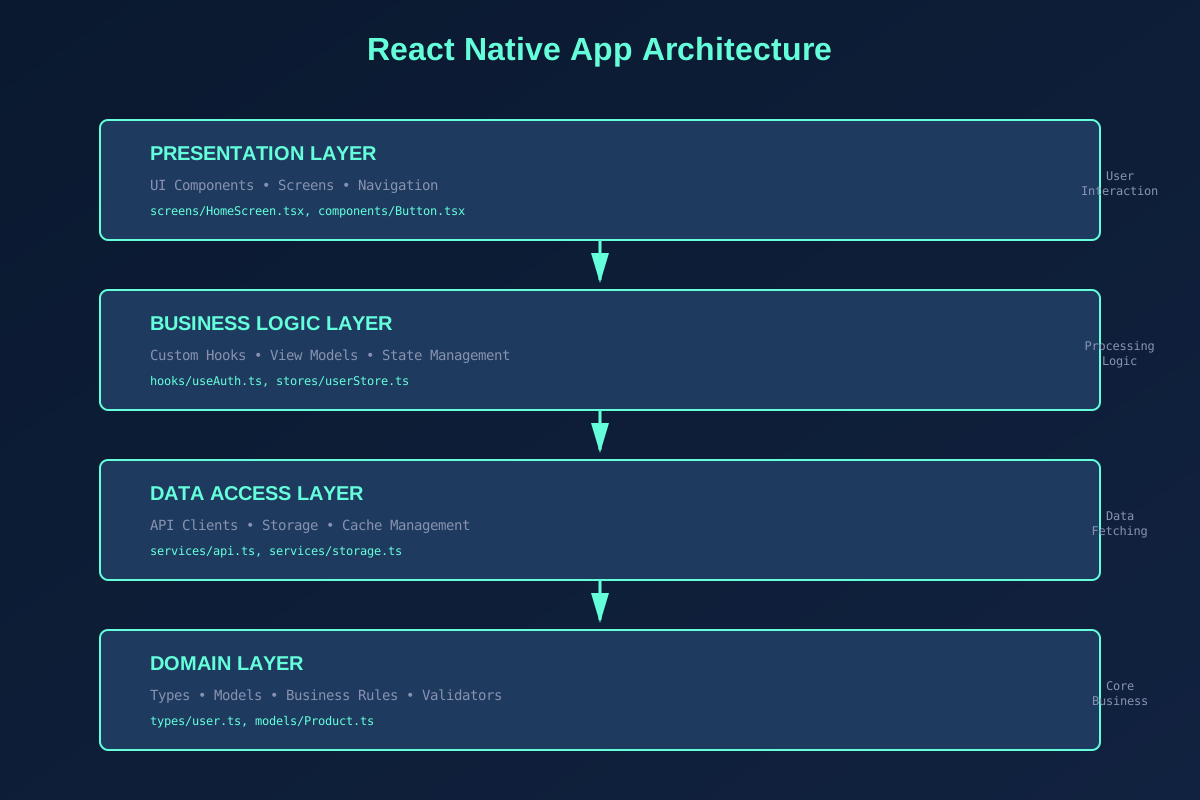
React Native App Architecture Diagram
Key Takeaways
Building scalable React Native apps requires intentional architectural decisions from day one. Use layered architecture, feature-based organization, and dependency injection to create maintainable codebases that stand the test of time. Your future self (and team) will thank you.